To bypass corona restrictions, the director of a Dutch debating centre tries to transform the centre into a house of worship. A law expert does not give him much chance. “The exemption for churches is not there to continue cultural activities under the guise of sermons.
Yoeri Albrecht, the director of De Balie debating centre in Amsterdam, did not understand “why you can come together in a church to discuss a 2000-year-old book, but not in a cultural centre to discuss a book from a month ago.” Albrecht went to the Chamber of Commerce on Monday to register as religion instead of cultural institute. He suggested “The Church of Reason” or “The Leftist Church” as possible names.
Corona brought new religions
It is striking that from the first period of the corona epidemic, various new ‘church societies' have been established, precisely to use the freedom that churches have to organise group meetings . They usually have no affiliation with traditional worship but are more in line with modern spirituality. All kinds of activities occur under the banner of these denominations, such as meditative concerts, dance evenings, lectures, and discussion groups.
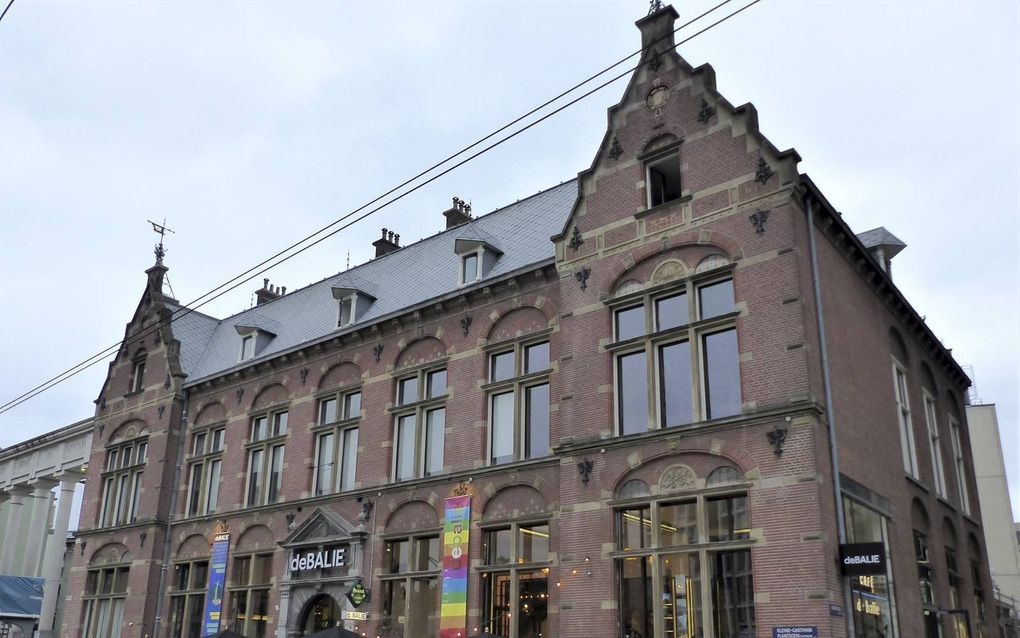
De Balie in Amsterdam. Photo Wikimed The Civil Code in the Netherlands hardly contains any regulations for establishing religious denominations. Some criteria have been formulated. For example, there must be some form of organisation. The persons affiliated with a denomination must share a certain “belief” and be connected by “a common worship.” The Council of State refers to the European Court of Human Rights case law, which states that beliefs, for example, have “achieved a certain level of persuasiveness, seriousness, coherence and importance.” The Dutch expert on religious law, Dr Teunis van Kooten, considers it very unlikely that De Balie will be regarded as a denomination by the court. “The Netherlands has no formal recognition procedure for religious denominations, which means that in advance, it is not legally certain whether there really is a denomination.” He sees parallels with the court ruling on the so-called Church of the Flying Spaghetti Monster in 2018. “The judge did not consider the views expressed therein as a profound belief or religion. Nevertheless, this society is still registered with the Chamber of Commerce. This is because the Chamber does not check whether there really is a serious religious community. It is, therefore, possible that De Balie can also be registered as a religious denomination. And those other organisations could also register as denominations. In that case, there is little or no substantive assessment.” Doctrine The denomination is therefore intended to give legal space to groups of believers who profess religion in, among other things, worship services. Van Kooten: “It must then be a religion that is taken seriously in law. This is apparent from, among other things, mutually shared faith and a coherent doctrine. This does not seem to be the case at De Balie: apparently, the debate is central there.”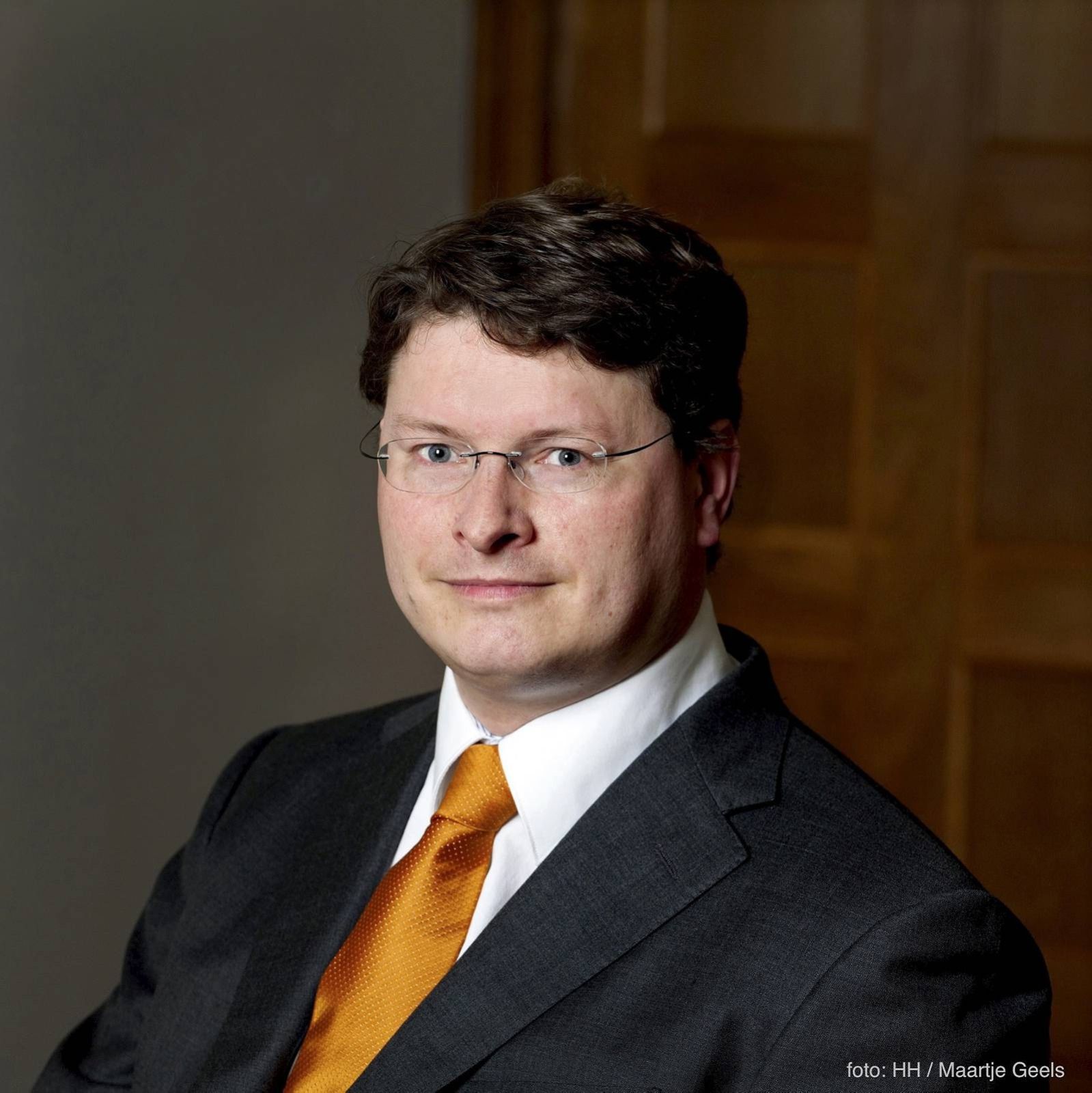
Dr. Teunis van Kooten. beeld Maartje Gee According to Van Kooten, the director's statements also indicate that he is concerned with the debate about why churches and cultural institutions are not allowed to open during the corona crisis. “The term ‘Leftist Church' underlines this to my taste: it usually refers to the views within so-called left-wing parties and organisations from which one should not deviate. His statements, namely the closure of cultural institutions, are also an indication that this is not a matter of religion but a search for a possibility to evade the legislation. An important detail: the statutory exception applies to church services and therefore not to all kinds of other activities that a church denomination organises.” *This article is an edited translation by CNE.news from an article previously published in Dutch daily Reformatorisch Dagblad on January 18th, 2022.*
De Balie in Amsterdam. Photo Wikimed The Civil Code in the Netherlands hardly contains any regulations for establishing religious denominations. Some criteria have been formulated. For example, there must be some form of organisation. The persons affiliated with a denomination must share a certain “belief” and be connected by “a common worship.” The Council of State refers to the European Court of Human Rights case law, which states that beliefs, for example, have “achieved a certain level of persuasiveness, seriousness, coherence and importance.” The Dutch expert on religious law, Dr Teunis van Kooten, considers it very unlikely that De Balie will be regarded as a denomination by the court. “The Netherlands has no formal recognition procedure for religious denominations, which means that in advance, it is not legally certain whether there really is a denomination.” He sees parallels with the court ruling on the so-called Church of the Flying Spaghetti Monster in 2018. “The judge did not consider the views expressed therein as a profound belief or religion. Nevertheless, this society is still registered with the Chamber of Commerce. This is because the Chamber does not check whether there really is a serious religious community. It is, therefore, possible that De Balie can also be registered as a religious denomination. And those other organisations could also register as denominations. In that case, there is little or no substantive assessment.” Doctrine The denomination is therefore intended to give legal space to groups of believers who profess religion in, among other things, worship services. Van Kooten: “It must then be a religion that is taken seriously in law. This is apparent from, among other things, mutually shared faith and a coherent doctrine. This does not seem to be the case at De Balie: apparently, the debate is central there.”
Dr. Teunis van Kooten. beeld Maartje Gee According to Van Kooten, the director's statements also indicate that he is concerned with the debate about why churches and cultural institutions are not allowed to open during the corona crisis. “The term ‘Leftist Church' underlines this to my taste: it usually refers to the views within so-called left-wing parties and organisations from which one should not deviate. His statements, namely the closure of cultural institutions, are also an indication that this is not a matter of religion but a search for a possibility to evade the legislation. An important detail: the statutory exception applies to church services and therefore not to all kinds of other activities that a church denomination organises.” *This article is an edited translation by CNE.news from an article previously published in Dutch daily Reformatorisch Dagblad on January 18th, 2022.*